Home security cameras are only effective if they’re placed in the right locations. A camera pointed at the wrong area can leave blind spots and reduce your home’s protection. Instead of covering every inch of your property, focus on the places where burglars are most likely to enter and where you want the most visibility.
1. Front Door
The front door is one of the most important places for a security camera. Many package thefts and break-ins occur through the main entrance. A video doorbell or outdoor camera allows you to see visitors, delivery drivers, and suspicious activity even when you’re away.
Best placement: Above the door or slightly to the side, around 8–10 feet high.
2. Back Door
Back entrances are often less visible from the street, making them attractive to intruders. A camera covering your back door can help detect unwanted visitors before they enter.
Tip: Make sure the camera has night vision and weather resistance.
3. Driveway and Garage
Your driveway and garage contain valuable items such as vehicles, bicycles, and tools. A camera in this area can help monitor who enters your property and provide evidence in case of theft or vandalism.
Best placement: High enough to capture vehicles and faces without creating blind spots.
4. Ground-Level Windows
Windows are common entry points for burglars. Cameras positioned to monitor vulnerable windows can discourage intruders and alert you to unusual activity.
Tip: Avoid aiming cameras directly into neighbors’ properties to respect privacy.
5. Main Hallway or Entryway
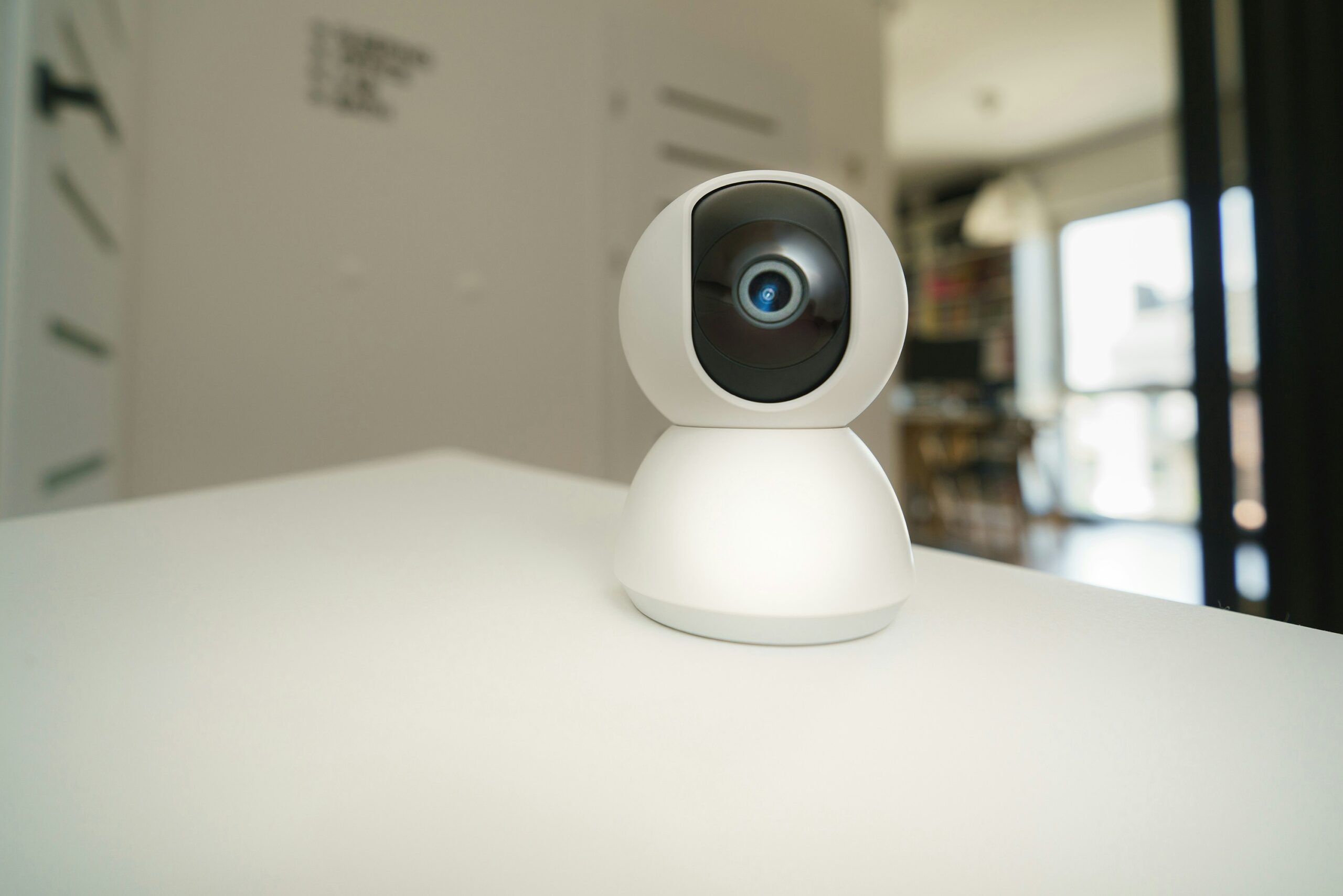
Indoor cameras can be useful for monitoring movement inside your home. A camera facing the main hallway or entryway can capture anyone who manages to enter.
Best placement: A corner with a wide-angle view of the room.
6. Backyard
Backyards are often hidden from public view, making them an easy target for break-ins. A weatherproof outdoor camera can help you monitor gates, sheds, and outdoor equipment.
7. Nursery or Pet Areas
Many homeowners use indoor cameras to keep an eye on children, elderly family members, or pets. These cameras offer peace of mind and allow you to check in remotely.
Places You Should Avoid Installing Security Cameras
Not every location is appropriate for surveillance. Avoid placing cameras:
- Inside bathrooms or private spaces.
- Directly facing neighbors’ windows.
- Too low, where they can be easily tampered with.
- Behind glass, which can interfere with night vision and cause glare.
How Many Security Cameras Does a Home Need?
Most average-sized homes can be effectively monitored with 3 to 6 cameras, depending on the layout. Focus on covering entrances and high-value areas rather than trying to monitor every room.
Final Thoughts
The best security camera setup isn’t about having the most cameras—it’s about placing them where they matter most. Start with your front door, back door, and driveway, then expand coverage based on your home’s layout and your family’s needs. A few strategically placed cameras can provide better protection and greater peace of mind than a dozen poorly positioned ones.